Shadow Fight 2
- 4.6
- Rating
- 100.00M
- Installs
- Free
- Price
 Analysis by App-foxy
Shadow Fight 2 is the kind of action game I can open for a quick match and still find myself playing much longer than planned. Its appeal comes from a focused idea: control a shadowy fighter, learn the timing of attacks and defenses, and work through increasingly demanding battles. The presentation is stylish without needing a crowded interface, while the combat asks for more attention than a simple button-mashing game. If you enjoy mobile fighting games with a progression loop and a darker visual identity, this is an easy one to consider.
I reviewed it as a free game from NEKKI, and my overall impression is that it succeeds because it keeps the central action understandable. You do not need to memorize a huge collection of systems before starting. Instead, you gradually become more comfortable with movement, attacks, blocking, and the rhythm of an opponent. That simplicity makes it approachable, but the difficulty can still expose impatient play very quickly.
How the fights feel in everyday play
The best way to understand the game is to think of each battle as a short test of concentration. I found that the controls feel most satisfying when I stop trying to attack constantly and begin watching the opponent’s position. A missed strike can leave an opening, and rushing forward often creates more problems than it solves. This gives the game a deliberate pace, even though individual exchanges can become intense.
You May Also Like

 Blood Strike: 2.5 Anniversary
Blood Strike’s Loadouts Turn Every Drop Into a Tactical Gamble
A close look at Blood Strike’s custom loadouts: how fast access to signature weapons reshapes its battle royale rhythm, rewards preparation, and narrows the gap between fights.

 Pandora - Music & Podcasts
Pandora’s Music Is Easy to Start, but Harder to Recover
Pandora’s strength is its low-effort path from a seed to a station. Its weak spot is how much confidence it asks you to place in connection, setup, and quiet recovery.

 8 Ball Pool
 Is Built on Rivalries, Rematches, and Routine
A close look at the rivalries, rematches, shared routines, and unanswered safety questions that turn a quick pool match into a persistent mobile community.

 Samsung Music
’s Quiet Strength Is Playing What You Already Own
Its reach comes less from spectacle than from dependable access to a personal library. That simplicity is both the app’s strongest retention engine and its ceiling.

 AccuWeather: Weather Radar
AccuWeather Review: A Quick, Clear Forecast for Everyday Decisions
For everyday plans, the best forecast is the one you can understand quickly. AccuWeather makes rain timing, radar, and local conditions easy to act on, with a few trade-offs.

 Hill Climb Racing
Why Hill Climb Racing Still Turns Crashes Into One More Run
A tiny car, a bumpy hill and one more upgrade: Hill Climb Racing keeps resurfacing because its simple chaos makes every near-miss feel personal.
More From Our News Desk
View All News


For a realistic everyday use case, it works well during a short break when I want something more engaging than a passive time-killer. One or two fights can fit into a spare moment, but the progression encourages another attempt after a loss. That is useful if you like games that can be played in small sessions. It is less suitable if you want a completely relaxing experience, because difficult encounters require patience and repeated attention.
The action category is a good fit, although the game is not simply about constant speed. The perceived speed changes with the opponent, the distance between fighters, and how confidently I read the situation. Early encounters can feel accessible, while later battles make every poorly timed move more noticeable. The result is a game that rewards control rather than frantic tapping.
Learning the rhythm instead of chasing damage
One of the more useful lessons is to treat defense as part of the attack plan. When I use space carefully, wait for an opening, and avoid wasting movements, fights become much more manageable. This is a meaningful difference from many casual action games, where pressing the strongest-looking option repeatedly is often enough. Here, a smaller number of well-timed actions can be more effective than an aggressive sequence that leaves the fighter exposed.
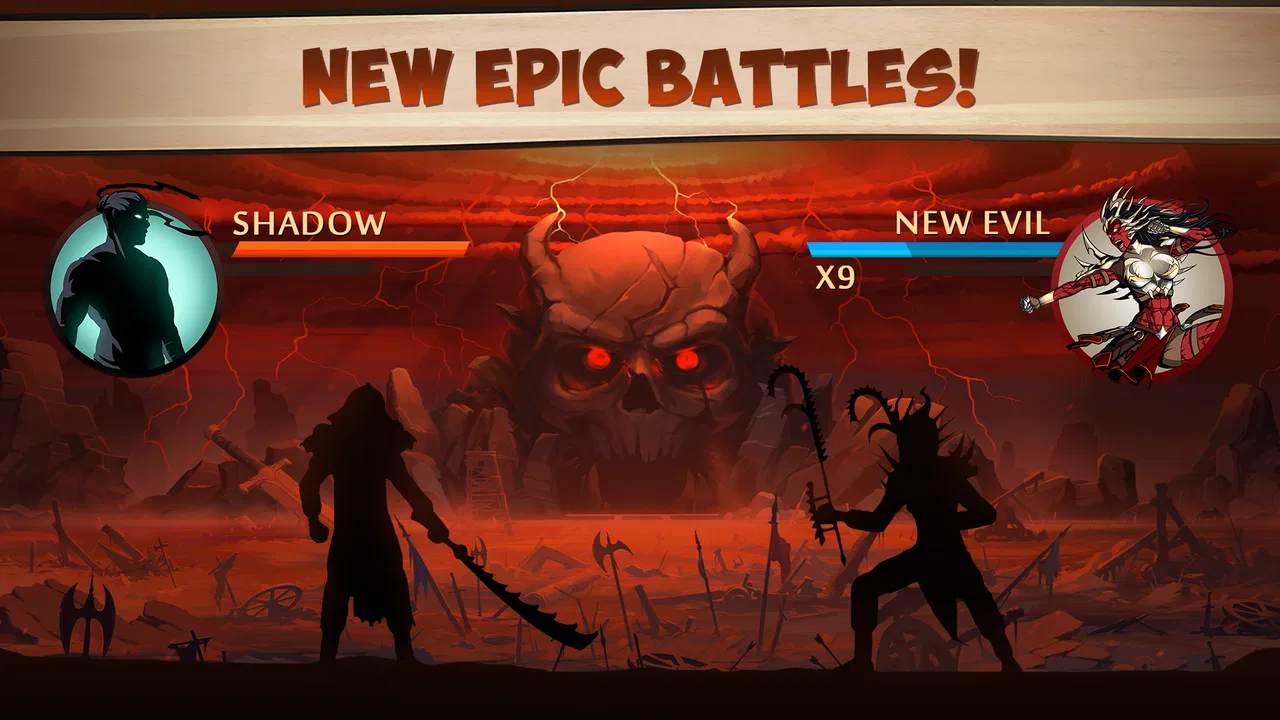
That also explains why the game may feel harder than its simple presentation suggests. The silhouettes and clean battlefield make the action easy to read, but readable visuals do not remove the need for practice. If you usually prefer automatic combat or very forgiving controls, the learning curve may feel uncomfortable. If you enjoy improving through repetition, the same friction becomes the main reason to continue.
I also recommend changing the way you approach a fight after losing instead of immediately repeating the same pattern. A failed attempt can reveal that I was standing too close, attacking too early, or relying on one predictable move. This is one of the game’s stronger design qualities: progress is not only about having better equipment or reaching the next stage. My own timing and decision-making matter as well.
What happens when the game is used heavily
Short sessions are the natural fit, but longer play changes the experience. Repeated battles can become mentally tiring because success depends on continued attention. During a longer run, I am more likely to make a careless input, misjudge distance, or attack simply because I want the encounter to end. The game’s demanding moments therefore come less from a complicated interface and more from maintaining concentration.
Heavy use can also make progression feel uneven. A strong run may end with a difficult opponent that exposes a weakness in my current approach. When that happens, the temptation is to keep replaying immediately, but taking a short break is often more productive. Returning with a clearer head can improve performance more than forcing several frustrated attempts in a row.
For players who enjoy repeating fights to refine technique, this structure has real value. It creates a reason to study what went wrong rather than treating every loss as random. On the other hand, anyone looking for a fast sequence of effortless victories may find the repeated challenge tiring. The game is at its best when you accept that some encounters are practice sessions, not just obstacles to rush through.
Resource demands are also worth considering in practical terms. The game has been available since Jul 22, 2014, and its visual style is focused rather than overloaded with elaborate effects. That gives me the impression of a more restrained presentation than newer, spectacle-heavy action games. Still, I would not assume every device will provide the same experience, especially when running an older phone with limited free space or many other apps active. Closing unnecessary background apps before a longer session is a sensible habit, even when a game appears visually modest.
Stability, interruptions, and recovery after a problem
In normal use, the most important reliability question is whether the game lets me return to the action without unnecessary fuss. Its compact combat structure helps here: a battle has a clear beginning and end, so a brief interruption is less disruptive than it would be in a long uninterrupted mission. If I need to put the phone down unexpectedly, I am not abandoning a complicated team setup or a lengthy live match with other players.
That makes it a better choice for unpredictable schedules than a game built around long sessions. I can play while waiting for an appointment or during a commute break, then stop when needed. The trade-off is that the desire to retry a difficult battle can make a short session expand quickly. The game is easy to start, but not always easy to leave after a frustrating defeat.
When performance feels less consistent, I would first check the basics rather than blaming the combat system: restart the game, make sure the device has breathing room, and avoid playing while the phone is already handling several demanding tasks. These are ordinary recovery steps, but they matter more on older hardware. I also prefer not to begin a serious attempt when the phone is very warm or close to running out of battery, since those conditions can make any mobile game feel less responsive.
The free-to-play structure deserves attention here. The game costs nothing to start, which makes trying it straightforward, but optional purchases range from $0.99 to $49.99 per item. I would treat those purchases as a personal spending choice rather than a requirement for discovering whether the combat suits me. The safest approach is to play long enough to understand the progression and only then decide whether spending improves the experience for you.
Compatibility and practical device expectations
Shadow Fight 2 supports devices running Android 7.0 or later, so the minimum operating-system requirement is not aimed at the newest phones only. That is helpful for players using older Android hardware, although operating-system compatibility alone does not guarantee identical performance across every model. Processor age, available storage, background activity, and the general condition of the phone can all affect how comfortable a session feels.
I would especially consider the device constraint if you plan to play for a long time rather than only completing occasional fights. A phone that handles short sessions comfortably may still become warm or feel less responsive during extended use. Keeping the system updated where possible, freeing some storage, and closing demanding apps are practical steps before judging the game on older hardware.
The age rating is Everyone 10+, which makes it more approachable for younger players than many darker or more graphic action titles. Even so, the fighting theme and repeated combat mean it is worth considering whether that style suits the person using the device. The rating does not change the fact that the game can be demanding in terms of patience, especially when a player is still learning how to react.
Compared with a simple arcade fighter, this game offers more reason to return because battles connect to a longer progression experience. Compared with a large modern action game, it is more focused and less dependent on spectacle. That middle position is its strength: I get a clear combat loop without needing to commit to a huge world or a lengthy setup. Players who want local, uncomplicated action may prefer this over a more crowded alternative, while fans of competitive multiplayer may miss the unpredictability of human opponents.
Small decisions that make a noticeable difference
My first practical tip is to stop treating every opponent as a target that must be attacked immediately. I get better results when I use the opening moments to observe distance and timing. This is especially useful after moving into a harder section, where the same aggressive habit that worked earlier may suddenly fail. The game rewards adapting the plan more than repeating a favorite attack.
Second, I would avoid judging equipment or progression in isolation from personal technique. A stronger setup can help, but it cannot fully repair poor spacing or predictable behavior. If a battle feels impossible, I first ask whether I am wasting attacks, standing in the wrong place, or failing to recognize the opponent’s rhythm. That approach saves time and reduces the urge to spend money simply because progress has slowed.
Third, use the game’s short-battle structure to create deliberate practice sessions. Instead of playing until frustration takes over, choose one goal for a brief run: defend more often, wait longer before attacking, or reduce unnecessary movement. This turns repetition into a measurable improvement exercise. It is a particularly good method for players who like action games but do not usually enjoy memorizing complex systems.
A fourth consideration is control comfort. Touchscreen fighting depends heavily on how accurately the device registers and presents input, so a crowded case, tired hands, or an awkward grip can affect the experience. I prefer holding the phone securely and keeping my fingers positioned consistently. That sounds minor, but consistent handling makes it easier to tell whether a mistake came from my decision or from an uncomfortable grip.
Who should try it, and who should skip it
I would recommend it to someone who likes stylish two-dimensional combat, gradual improvement, and battles that reward observation. It is also a good match for players who want a free starting point and prefer games that can fit into short sessions. The strong store reception reflects its broad appeal: it carries a 4.6 average from around 17 million ratings, and it has passed 100 million installs. Those figures do not guarantee that every player will enjoy the pacing, but they do show that the format has reached a very large audience.
I would be more cautious recommending it to someone who dislikes repetition, expects immediate victories, or wants a purely casual button-mashing experience. It may also be the wrong choice for players whose priority is live competition against other people. In that case, a multiplayer-focused fighting game could provide more social tension and unpredictability, even if it sacrifices the focused progression that makes this title appealing.
The current version is 2.44.0, and the game remains recognizable as a long-running action experience rather than a brand-new technical showcase. That is not a criticism by itself. In my view, the restrained presentation helps the fights stay readable, but players seeking cutting-edge visuals should look elsewhere. The better question is whether you value responsive-feeling combat decisions and a compact structure more than visual novelty.
My performance verdict
After spending time with it, I see Shadow Fight 2 as a reliable choice for focused mobile action, provided you are comfortable with a learning curve. Its speed feels controlled rather than frantic, its short encounters suit everyday breaks, and its heavier moments come from sustained concentration more than from a cluttered interface. The game is not something I would recommend purely as background entertainment, because it asks me to pay attention to spacing and timing.
Its main friction is the same feature that gives it staying power: difficult fights can demand repeated attempts. Optional purchases are present, so players who want to keep spending completely out of the experience should remain mindful of that structure. Older devices may also need sensible housekeeping before longer sessions, even though the Android requirement reaches back to version 7.0.
For me, the strongest reason to install it is that improvement feels personal. When I win after changing my timing or becoming more patient, the result feels earned rather than automatic. The best way to enjoy it is to treat each defeat as information, not as a signal to rush into a purchase. If that mindset sounds appealing, this free action game from NEKKI is worth trying. If you want effortless victories, modern visual spectacle, or a primarily social fighting experience, a different option will probably fit better.
My final recommendation is positive, with realistic expectations. Shadow Fight 2 is most enjoyable when played in focused bursts, on a device that has enough room to work comfortably, and with a willingness to learn the rhythm of each encounter. It is not flawless or universally relaxing, but its clear identity, accessible starting point, and demanding combat give it more lasting value than a quick glance at its store summary might suggest.
FAQs for Shadow Fight 2
01What is Shadow Fight 2 about?
Shadow Fight 2 is a captivating blend of RPG and classical fighting. This game allows players to equip their characters with diverse weapons and armor sets, engage in martial arts combat, and progress through a storyline filled with battles and challenges. The game’s fluid animations and engaging mechanics keep players immersed and entertained.
02Is Shadow Fight 2 free to play?
Yes, Shadow Fight 2 is free to download and play on both Android and iOS platforms. However, it includes in-app purchases that allow players to buy in-game currency, which can be used to upgrade weapons, armor, and other items. Players can still enjoy the game without spending money, although progress may be slower.
03What are the system requirements for Shadow Fight 2?
Shadow Fight 2 is designed to run smoothly on most Android and iOS devices. For Android, a minimum of 4.1 Jelly Bean is required, while iOS devices need iOS 8.0 or later. The game performs best on devices with at least 1GB of RAM, ensuring smooth animations and responsive gameplay.
04Does Shadow Fight 2 require an internet connection?
Shadow Fight 2 can be played offline, making it convenient for users without constant internet access. However, certain features like in-app purchases and updates require an internet connection. Players can enjoy the main storyline and battles without needing to be connected to the internet.
05How does the multiplayer feature work in Shadow Fight 2?
Shadow Fight 2 focuses primarily on a single-player experience, but it includes an online multiplayer mode called ‘Raids.’ In this mode, players can team up with others to take down powerful bosses. Participating in Raids requires an internet connection and offers unique rewards and a competitive edge.
Pros
- Smooth and intuitive controls.
- Engaging storyline and gameplay.
- Variety of weapons and armor.
- Visually appealing graphics.
- Regular updates and events.
Cons
- Requires consistent internet connection.
- Energy system limits playtime.
- In-app purchases can be pricey.
- Repetitive grinding for progress.
- Occasional matchmaking issues.

Shadow Fight 2
Gallery